ProEducationalToys


Toys can be a great way to interact with your child and to teach new skills. Make learning fun! Visit our Retail Site By Clicking Here

Saturday, October 29, 2016

Peek-a-Boo, I Love You! by Trisha Roberts


Baby playing Peek a Boo


Peek-a-Boo,  “I Love You”!


Peek-a-Boo is a game that babies and adults love to play.  And if you don’t know already, it teaches great skills and affirms your love for your child! There is nothing a young child would rather see than the face of their parent or care provider. 

Covering your face or your baby’s face to ‘hide’ and then quickly uncovering your face and reappearing accompanied by the words, “Peek-a-Boo” is a classic baby game. It is simple and can be played with little or no props, yet teaches important concepts and skills and reinforces the child-parent bond.


Peek a Boo with Blanket
Peek a Boo Game with baby


When Infants are born, they have no understanding of Object Permanence. If something disappears from view, in the infant’s mind, it is gone forever!  At this stage of development (ages 1-4 months) if a child drops a toy off the edge of their highchair, they do not look for it; if it is totally concealed it ceases to exist for them.  At about the age of 4-6 months they begin to realize that just because something is out of sight, it does not mean that it is gone; if it is partially hidden, they will seek for it.  This is a great age to play Peek-a-Boo, as it reinforces this concept and brings giggles of delight to young babies.  It is one of the first games they will play. It builds social interaction, teaches anticipation, and introduces the concept of turn taking. Your baby quickly learns that they will be ‘surprised’ by the reappearance of your face and will start looking for you as soon as you are covered.

Older siblings especially love playing with the new baby using this simple game!

Brother and Baby Playing Peek a Boo


This is an entertaining and educational activity that requires no preparation or special equipment.  Take time to play with the baby in your life, be it your own, a neighbor’s child, a grandchild, or a child you babysit.  You will be developing social skills as well as a handful of other great abilities. 


Check out our website for great Infant Toys!


Blog Administrator:  Trisha Roberts
proeducationaltoys@gmail.com


Copyright © 2016 TNT Inspired Enterprise, LLC, All rights reserved.


Unauthorized duplication is a violation of applicable laws.


Friday, October 21, 2016

Struggle—Baby Chicks & Butterflies by Trisha Roberts


Butterfly Emerging


As parents, we want our children to succeed.  We hate to see them struggle. But struggle is a strategy for learning.  As children grapple and wrestle to learn a new task, they develop excellent skills and tools for the future. They learn by trial and error. They learn consequences. They learn to experiment. They learn to persevere.  If we step in to help our kids every time they struggle to perform a task, we are actually hindering their growth.  They learn that by complaining, crying, and fussing when they encounter a difficult task they can get someone to do the work for them!  How well will that strategy work at their first job? Sometimes we need to wait patiently and let the process unfold.

Think about it.  We learn and grow when we are challenged with a new job or assignment. As we put forth effort to figure out a new skill, we cultivate a sense of pride and accomplishment with a task completed. Our brains are stretched to find new solutions. We develop new strategies, tactics, techniques, and approaches that will assist us in future endeavors.

If you have ever watched a baby chick emerging from its shell, you have seen the exhausting struggle that occurs. Yet biologists tell us that the battle and exertion is necessary for the young chick to develop; it is not unusual to take 24 hours for the hatching to emerge from the egg!  In fact, if the chick is helped out of the egg, it does not grow strong.  It often sickens and dies.  The process and effort of hatching actually increases blood flow and develops lung capacity in the fledgling. 


Hatching Chick

Baby chick hatching
Baby chicken emerged from shell


Monarch HatchingButterfly hatching from ChrysalisLooking again to nature, we see the same struggle occurring with butterflies emerging from their chrysalis.  The effort of a butterfly attempting to leave its cocoon produces stronger wings. If this process does not occur, the butterfly’s wings don’t develop and they will be crippled or die.

Letting your children struggle to learn a task is a beneficial thing.  We are actually strengthened by the obstacles we face. Of course, there is a balance between struggling to the point of utter frustration and allowing children to try to accomplish a task on their own.  You, as a parent, need to encourage your child to attempt and persevere in learning new, challenging undertakings. We want our children to be independent—to think, to do, to be.  If we never allow them to encounter difficulties, they will never acquire the skills needed to overcome problems and obstacles.  Don’t do everything for your child.  Let them attempt things on their own.  Don’t expect perfection, but encourage them to do their best.
 “Handing a child the toy he wants instead of letting him crawl across the room for it or try his best to crawl for it; fulfilling his every whim; loading him down with toys and other shiny beautiful things before he really needs or desires them; emphasizing the importance of grades in school instead of the importance of education. . . all of these things tend to weaken the muscles a child should be developing on his own so that when the time comes to function independently, he will have the strength he needs.”   Julie Loe, B.S., PTA


     Find Ways to Make the Task More Fun!


Dressing skills are one of the first ways children start to show independence and are frequently a source of frustration for both kids and parents.  Putting on shoes and socks, learning to button a shirt, fastening a jacket and tying shoes are all skills that take multiple times to learn.  Getting a DressingDoll or Lace-Up Shoe allows kids to practice in a low-stress environment.


When you are irritated, exasperated and discouraged and your child is upset and distraught, remember the metamorphosis of the butterfly and the hatching chick. Take a break from the situation, try to breakdown the task into smaller components, find ways to make the task more fun, and praise your child for any and every accomplishment, however small.


Blog Administrator:  Trisha Roberts
proeducationaltoys@gmail.com


Copyright © 2016 TNT Inspired Enterprise, LLC, All rights reserved.


Unauthorized duplication is a violation of applicable laws.

Friday, October 14, 2016

Organize The Toy Room by Trisha Roberts


Organization is an important skill to learn.  By the time children reach middle school they need to be able to organize their school materials, schedule study time, organize their locker to store and find items, organize their clothing, order their room, etc.  By the time children are in high school, they should be preparing for life on their own, whether at university studies or out in the working world.


School Locker Mess
Organization of School LockerNo one waves a magic wand to make this happen!  It is taught and caught! We should be teaching our children as well as modeling for our children how to live an organized life.  The earlier you start, the easier it will be!

From the time my children could walk we would pick up toys together before lunch, before nap time, and before bedtime and put them away.  Even if I had to have my hand over their hand while walking to the bookshelf together, they learned that they were responsible for picking up their things. We often sang a clean up song, "Clean up, clean up, put our toys away.  Clean up, clean up, play another day."


We also had a rule in our home:  “When you are finished with something, you put it away.”  This taught individual responsibility and kept our home from getting cluttered.   It is not possible to play with twenty different toys all at once--my children were not allowed to get out a new toy for play until their other toy was put away! This held true for their parents as well—projects were completed or stored before starting other tasks.


Only one toy out at a time
You can Only play with One Toy at a Time!


Everything has a place and if everything is in its place, you know where to find it!  For example, if you make a habit of putting your keys on a hook by the door (or wherever you decide), then when you need your keys, you know where they are.  No more endless searching for cell phones, coats, keys, shoes, etc.  No more frustration, wasted time, and stress. It is also far easier to clean a house (vacuum, dust, etc.) if things are put away.  When things are scattered everywhere, one can spend tons of time picking up and very little time actually getting rid of dirt!

Toy Box Jungle Party
Jungle Party Toy Chest
Princess Theme Toy Box
Princess Toy Box


There are wonderful, colorful and engaging 
  shelves and organizers  for children's rooms. 


One trick I learned for teaching very young children organization was to place toys and books on wide, low shelves within easy reach of little bodies and then to tape a picture of the items on the shelves indicating what type of toy was to be stored in that spot.


Toy Tub Labels
The Organized Toy Room


Toy Shelf Labels


 If you don’t have shelves, using tubs or baskets can work.  Tape a laminated picture of the contents on the tub or punch 2 holes in the laminated picture and use tie wraps to attach them to the basket. This is actually a great way to practice matching and memory!


Putting toys on a shelf improves eye-hand coordinationSquat to pick up and put away toys
As an added benefit, when children squat to pick up toys and return them to their storage space, they are getting exercise!  Placing a book or other toy in a precise place helps build the fine motor skills of eye-hand coordination, perceptual motor skills, and hand dexterity.


It may seem like a lot of work to start, but teaching children organization will actually make your life much easier while developing important skills that can reap a lifetime of benefit for your children!


Blog Administrator:  Trisha Roberts
proeducationaltoys@gmail.com


Copyright © 2016 TNT Inspired Enterprise, LLC, All rights reserved.


Unauthorized duplication is a violation of applicable laws.


Friday, October 7, 2016

Campfire Fun by Trisha Roberts


Campfire Fun

by Trisha Roberts

Fall has arrived!  As the days grow shorter and the nights grow cooler, evening campfires have even greater appeal.  Whether you have the privilege of heading to a State Park or Recreation facility or whether you have a fire ring in your backyard, times around the campfire make great memories. Here are some classic tips for Family Campfire Fun.

Some classic campfire foods:  S’Mores, Foil Dinners, Hot Dogs, foil-wrapped baked potatoes, corn-on-the-cob baked in water-soaked husks, or melted campfire sandwiches (prepare ahead, wrap in foil, and throw in the coals to heat).


Campfire Food Roasting marshmallows


Activities:

Parachute Games (before it gets dark):  see our blog post for Parachute Game Ideas
Bocce
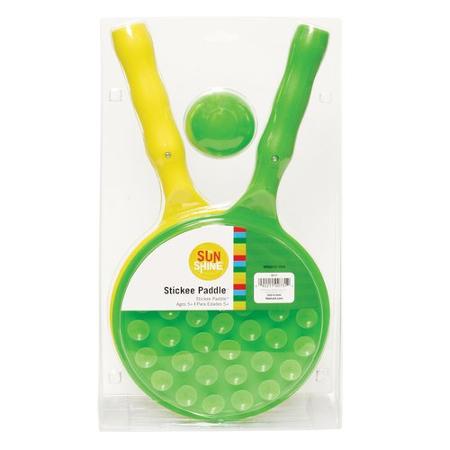
Paddle Ball


Campfire ActivitiesPaddle Ball Games great for outdoorsBocce Ball Fun


Story Telling after dark

Start with a sentence, then let each person adds on to the story.  See where it goes!  You might try, “I once knew an old man that lived in the woods.  He had a big dog, a wooden leg, and a beard that was so long it touched the ground!” or, “There was a flea that lived in a tree whose best friend was a bee.” 

Have each person take turns telling about a favorite memory from the past summer.

Be very quiet and listen to the sounds in the woods.  Let each person name a sound they hear and make up a story about it.  For instance, if you hear a cricket chirping, the story could be about a family of crickets getting ready for bed.  If you hear the wind rustling the leaves on the trees, you might make up a story about the leaves preparing for an adventure.


Campfire Songs:

                                         
Songs Around the Campfire


If you don’t remember some from your youth, here are a few to get you started! Everyone will have suggestions once you start!

I’ve Got Something in my Pocket
Kumbaya
Five Little Speckled Frogs
This Land is Your Land
Father Abraham Had Many Sons
Found a Peanut
The Ants Go Marching
This Old Man
Hokey Pokey


Whatever you choose to do, have fun and make great Memories!


Blog Administrator:  Trisha Roberts
proeducationaltoys@gmail.com


Copyright © 2016 TNT Inspired Enterprise, LLC, All rights reserved.


Unauthorized duplication is a violation of applicable laws.


Friday, September 30, 2016

Part Four: Tips for Parents and Teachers Working with Children with Sensory Processing Disorders or Children on the Autism Spectrum by Guest Blogger Elise Siak


Tricks and Tips for Parents and Teachers

by Elise Siak, Occupational Therapist


Again because sensory processing disorder is complex and the challenges associated with it are unique to the individual, it is difficult to provide strategies which can help any and all children with sensory processing disorder. There are, however, some strategies that tend to work well for most children with sensory processing disorder and sensory processing challenges. See last week’s post for more information on the proprioceptive and vestibular systems, as these systems are very important to understand in order to fully grasp the rest of the information in this post.

Classroom-Based Sensory Strategies


The classroom environment can pose a unique set of challenges for children with a sensory processing disorder or sensory processing challenge. 

Think about the variety of situations during a typical school day which involve a notable lack of enriching sensory input like sitting at a desk for long periods of time, riding the bus, standing in line, and fire drills. 


Boredom in School

Lack of Sensory Input During School


Then think about the variety of situations during a typical school day which involve an overload of stimulation over which children have no control like the ringing of the school bell, loud and crowded hallways, or the glare of overhead lights.


Too Much Noise   
    Noise Overload                  Sensory overload from crowded Hallway


Because some children with sensory processing disorder can be sensitive to too much of any one type of sensory input or require increased amounts of any one type of sensory input, pinpointing specific strategies to help with classroom challenges is tough. However, as a rule of thumb, you should keep in mind that whether a child wants more or less input, they will find a way to either limit or get more input.

Children who want more input will find a way to get that input one way or another--jumping, spinning, and running, wriggling in their chairs to the point of being disruptive, or even pushing other children when standing in line.


Distrupting the Classroom


Children who need to limit sensory input  may attempt to run away at the sound of the school bell, cover their ears, yell, or other similar behaviors in order to avoid the overload of stimulation.


Finding an effective way to channel a child’s natural sensory needs into more constructive means is the best way to have a happy child and a better functioning classroom!


Some strategies that can be used include a variety of ways to provide proprioceptive input, as well as other types of input, and include the following:

  • Weighted lap pad
  • Wiggle cushion or therapy ball chair
  •  Use of a resistance band tied around the front legs of a classroom chair so that the child can kick it back and forth with their legs while seated


Theraband in Classroom

Stretchy Hulk Sensory Toy

Stretchy Hulk Sensory Toy


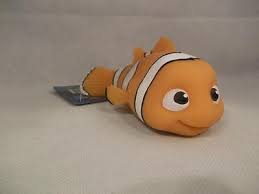
Squishy Tactile Nemo Toy

Nemo Squishy Tactile Toy


  •  Calm-down bottles with glitter and food coloring for use in a calm down corner or before nap time  


    Calm Down Bottle

  • A piece of the rough side of Velcro that can be placed under the desk and rubbed when extra sensory input is needed
Velcro on desk at school


  • Chewy tubes/fidgets which attach to the end of a pencil
  • Water bottle which requires forceful sucking or has a bite valve (like a camelback water bottle)
  •  Regular breaks in seated work including chair push-ups, wall push-ups, jumping jacks, toe touches, etc. (This type of break would be beneficial for all students!)

    
Wall Push Up


Chair Push Up


Home-Based Sensory Strategies


Because home is naturally a less structured environment than school, the possibilities are nearly endless for ways to work sensory input into a child’s experiences! See the previous post for some specific strategies related to the proprioceptive and vestibular systems. Some fun ideas for novel sensory experiences at home include:


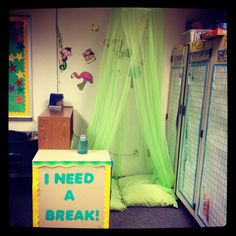
Quiet Tent


Quiet Corner


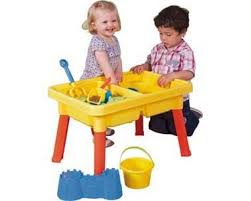
  • Tactile sensory play which can include sand and water play, finger painting, playing with cornstarch and water mixed together (side note: if you’ve never tried this, you must! It is so much fun!), playing with silly putty or play dough

Sand and Water Play

Sand and Water Table


  • Making a stress ball/fidget toy out of two balloons and flour- place one balloon inside of the other, fill the inner balloon with flour, tie off both balloons, and voila!
  •  Making a calm-down bottle with an empty water bottle, clear soap, food coloring, and glitter
  • Straw games, including blowing a pompom with a straw either straight ahead or through a maze made of blocks
  • Use of a weighted blanket, weighted vest, or compression clothing--please consult with an occupational therapist or other healthcare professional with knowledge of sensory processing before beginning any sort of weighted material use with your child
  • Scooter board games, including using hands only to move it forward while lying on the stomach
  • Pop-up tunnels and/or fabric tunnels--for increased proprioceptive input
Monkey Tunnel

  •  Body sock (similar to a fabric tunnel, but smaller and closed off on one side) provides proprioceptive input across the majority of the body
  • Climbing activities, including climbing a rock wall, playground equipment, stairs etc.
Climbing Wall at Home


Again, while each child with sensory processing disorder is unique in their specific challenges, hopefully these strategies will help to provide a starting point for better understanding your child (or student) and helping them to be more confident, focused, and happy in their day-to-day lives! If you suspect that your child has sensory processing disorder or sensory processing challenges, you should consult with your child’s pediatrician and an occupational therapist in order to most effectively help in understanding and assisting your child to live up to their full potential!


Guest Blogger Elise Siak:

I have always been interested in working in pediatrics, even before discovering occupational therapy. Since discovering OT, I have thrived on the creativity and connections with clients with which this profession provides me. I have passion for working with children with sensory processing and self-regulation challenges. I have experience working with both children and adults on the autism spectrum, as well as children with a variety of developmental challenges and delays. I hope to be able to provide both parents and other therapists alike with some insight into sensory processing disorders!


This Concludes our Series on Sensory Processing Disorders.  Hopefully this information has been helpful.  We welcome your comments and suggestions!


Blog Administrator:  Trisha Roberts


Copyright © 2016 TNT Inspired Enterprise, LLC, All rights reserved.


Unauthorized duplication is a violation of applicable laws.